


Beginner Basics: Raise Solitary Cavity-Nesting Bees
Welcome! If you’re new to solitary bees, you’re in the right place. Solitary bees are gentle, easy to raise, and incredible pollinators for gardens and farms. At Crown Bees, we’ve helped tens of thousands of people start with Mason bees in spring and Summer Leaf bees in summer. Everything here is practical, research-driven, and tested by our team in our Woodinville, Washington HQ. These instructions support BeeSafe™ Seasonal Care in the Crown Bees BeeSafe™ Standard.
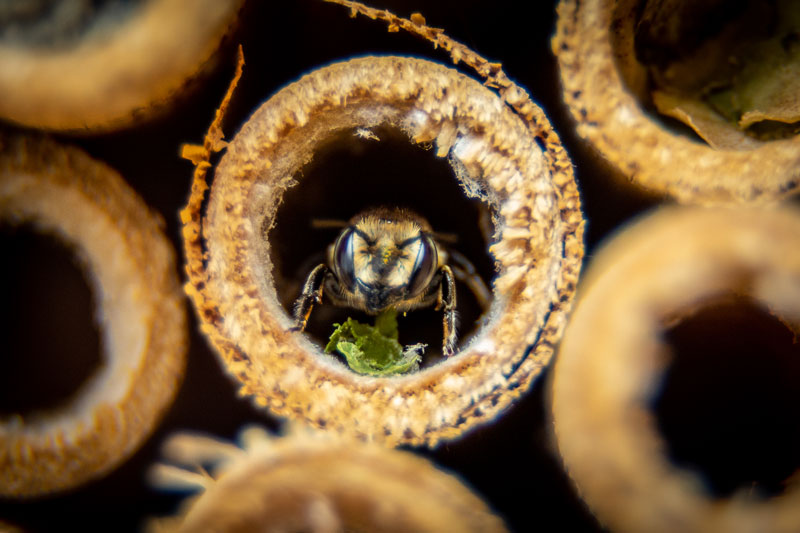
What is a solitary cavity-nesting bee?
Of the world’s more than 20,000 bee species, about 90% are solitary, and roughly a quarter nest in hollow stems. In North America, that’s about 1,000 species.
Solitary bees don’t make honey, so they aren’t territorial. They’re safe around kids and pets and they’re so fun to watch.
Spring Mason bees and Summer Leaf bees carry loose pollen on their bodies. Every flower visit spreads pollen, making them some of nature’s best pollinators.
Each species typically flies for 4–6 weeks. The eggs they lay this season become next year’s bees.
How do I get started?
Over time, natural nesting sites for native bees have disappeared. Dead trees are cleared and plant stems are trimmed back each fall, removing the hollow spaces that solitary bees once used to overwinter. Our mission is to bring back native bees to areas that have been missing natural pollination by providing safe, sustainable alternatives.
Give them a weather-sheltered house, clean removable nesting holes, and nearby blooms. A well-placed bee house mimics the protective nooks they once found in nature—helping native pollinators rebound right in your own yard.
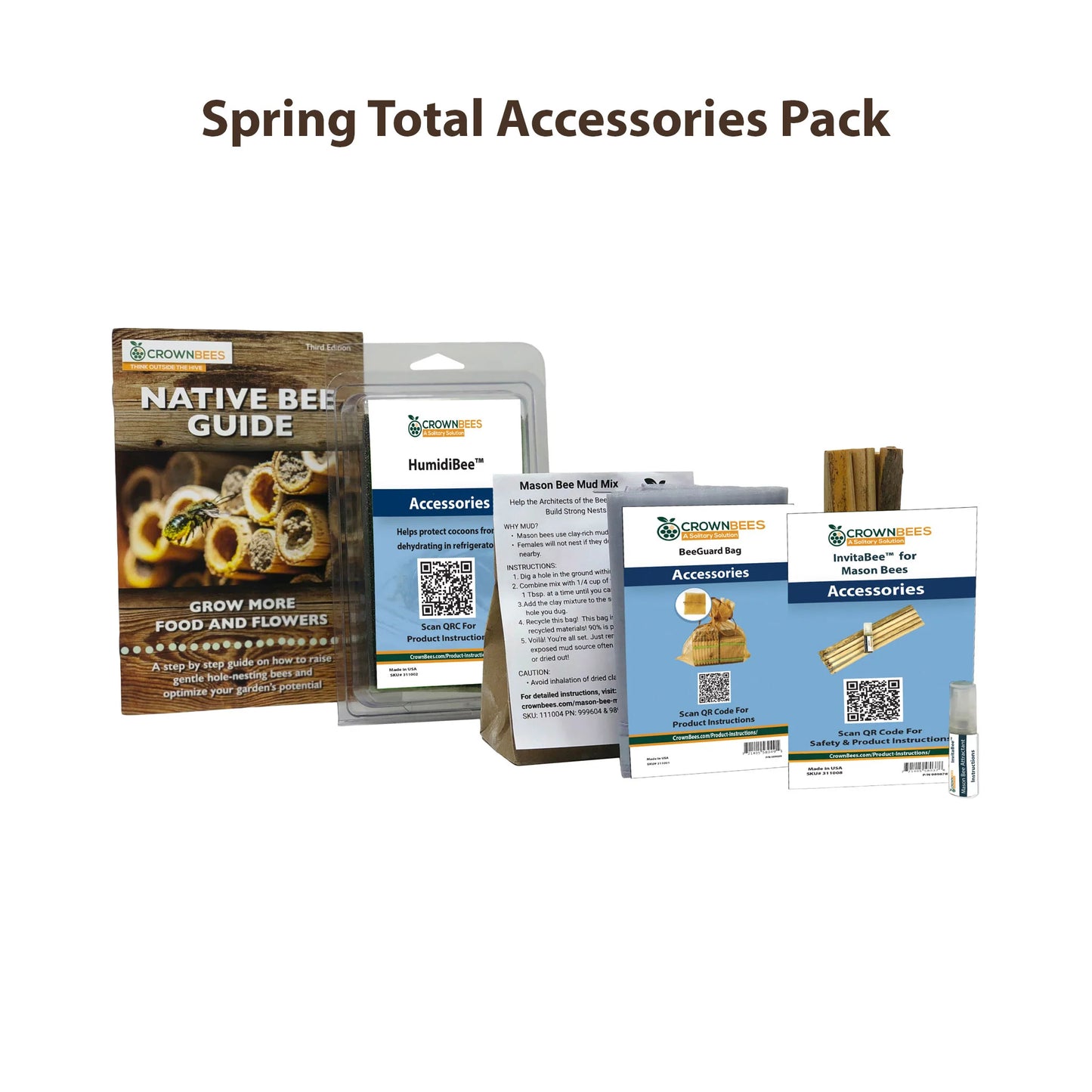
Just like you wouldn’t sleep in a hotel that never changes sheets, bees need fresh, natural, and openable reeds each season so you can clean and reuse safely. Clean nesting materials reduce pests and ensure your bees stay healthy year after year.
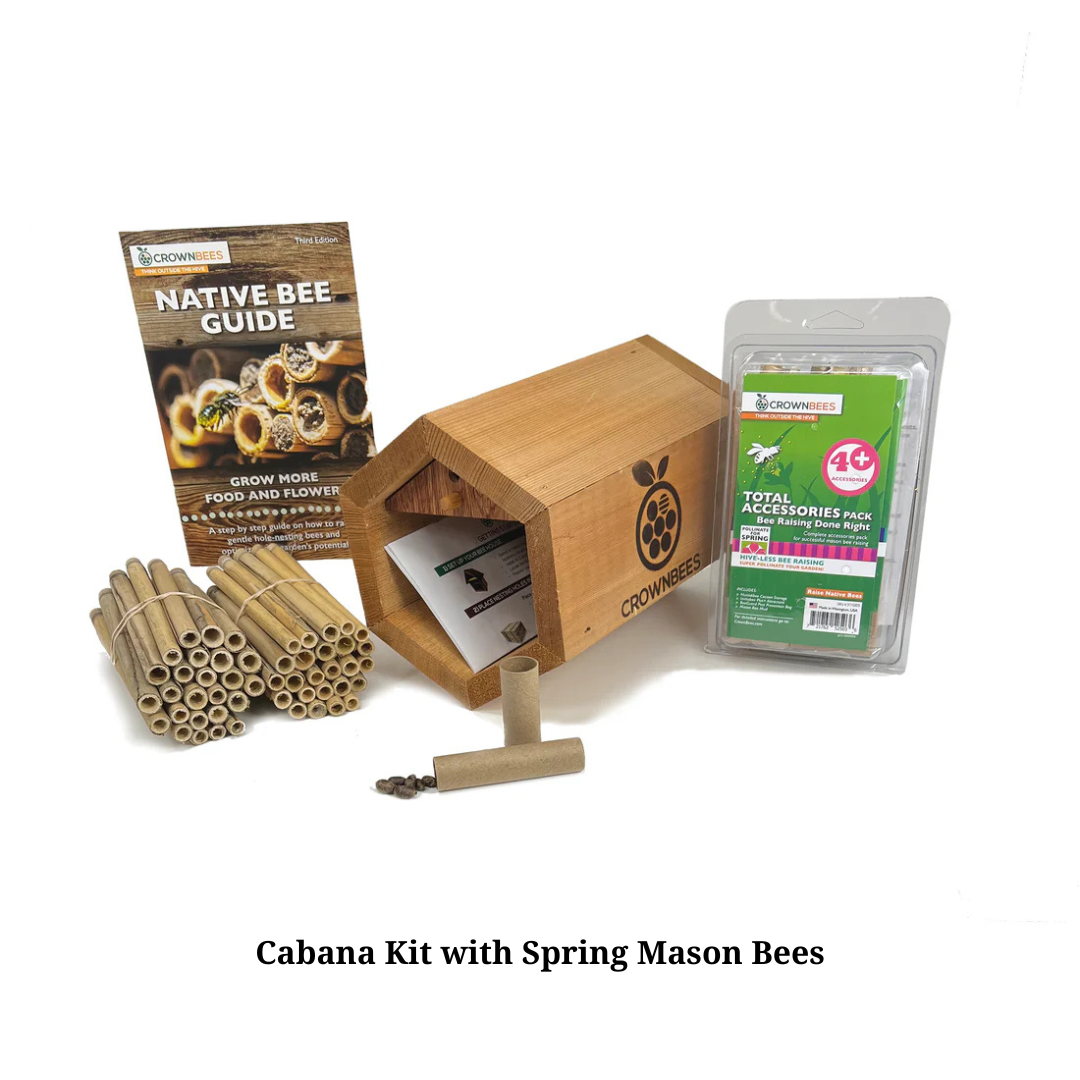
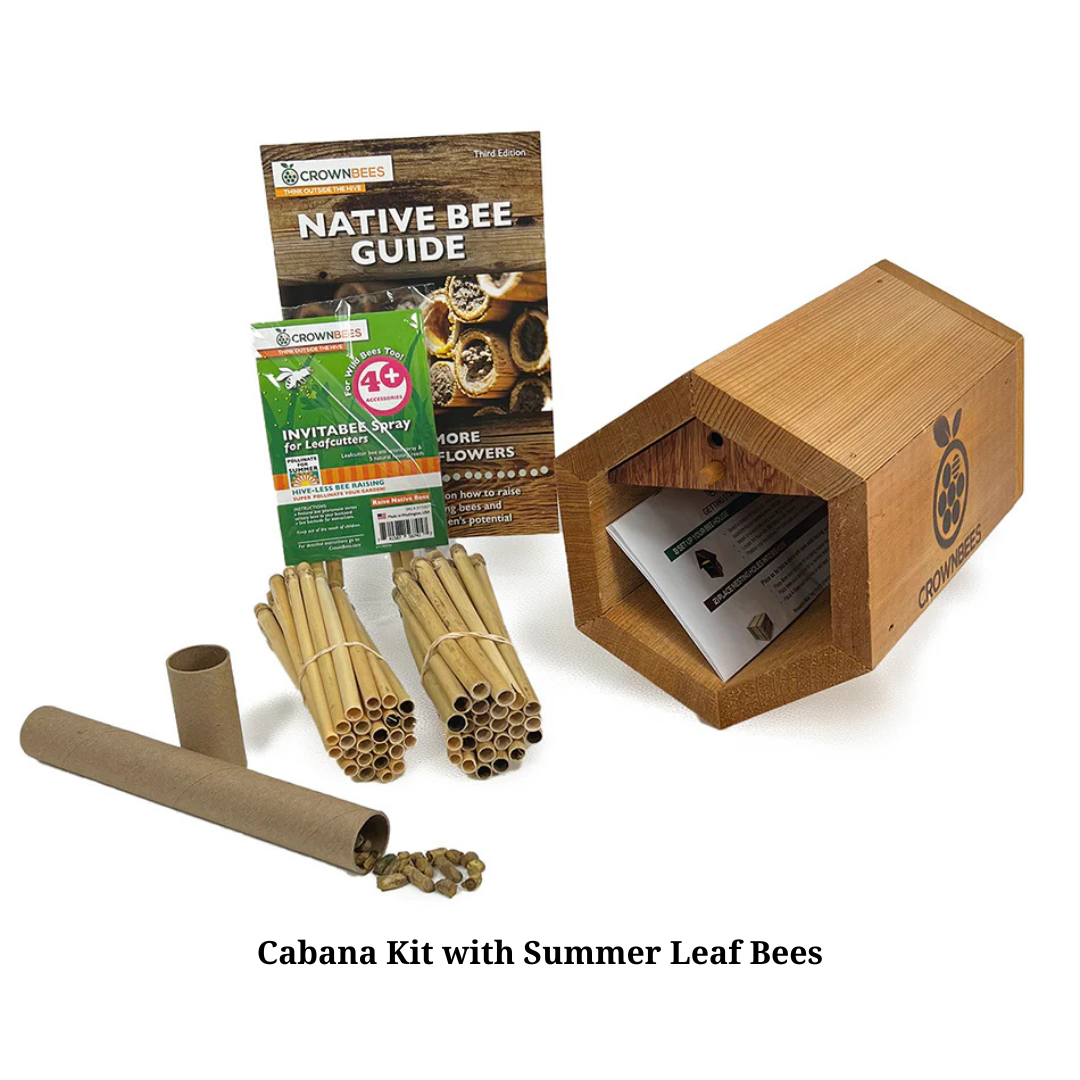
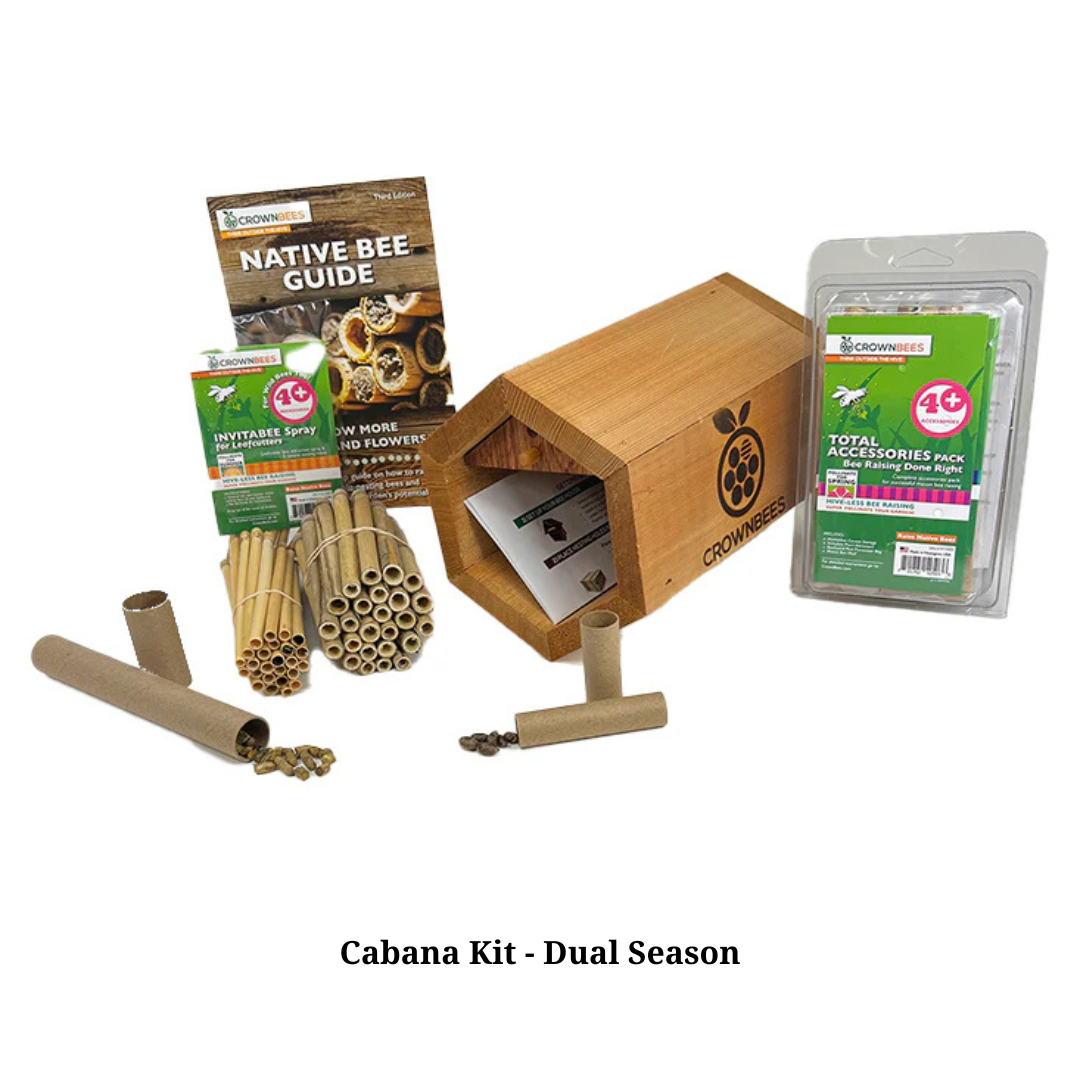
Want an easy start? Discover the bees already in your yard with our best seller.
When can I start?
Discovery. You can host solitary bees from early spring through fall. Set up your bee house when dandelions begin to bloom. Offer a mix of reed sizes so Mason and Summer Leaf bees can find what fits best. Bring your house inside for storage after their nesting season ends.
Spring. Mason bees emerge when daytime highs reach about 55°F, just as early blossoms appear. We ship ready-to-emerge Mason bee cocoons every Monday using FREE FedEx 2-Day so they never sit in a warehouse over the weekend. This timing keeps your bees safe and ready to release at the perfect moment. If you order other products at the same time, those ship right away from our headquarters in Woodinville, WA.
Summer. Summer Leaf bees (aka Leafcutter) overwinter as larvae and transform into adults when warm weather arrives. We time their shipping carefully so they’re ready to emerge upon arrival. These cocoons also go out on Mondays via FREE FedEx 2-Day to prevent delays. As with Mason bees, any additional products ship immediately from Woodinville, WA.
Needs of the bees
Plants. Choose pollen- and nectar-rich flowers and aim for blooms from spring through fall. Native plants are best, but any pesticide-free, nectar-rich mix helps.
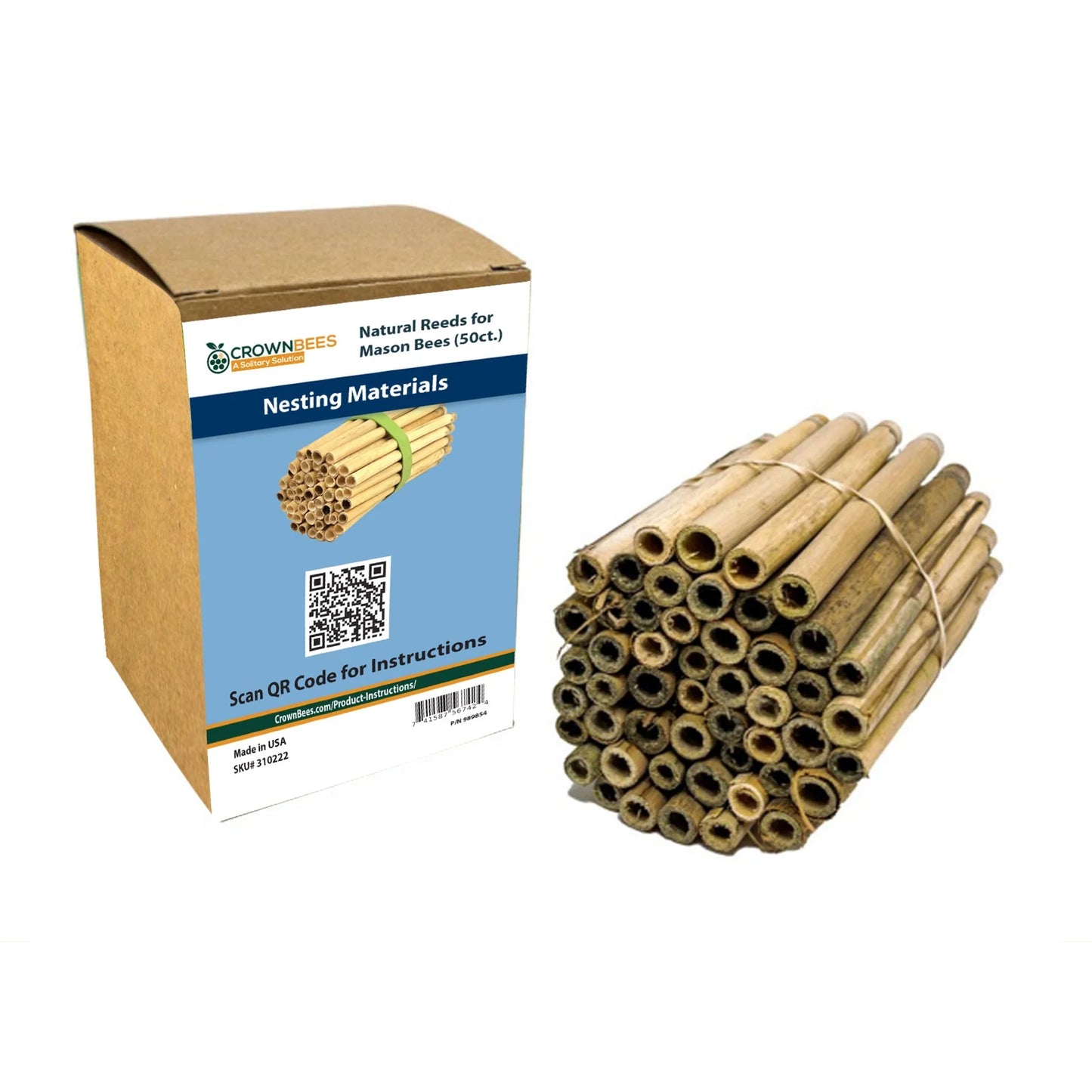
Nesting materials. Use clean, removable reeds that are 6 inches long and capped at one end. That length encourages a healthy mix of males and females; too short can limit next year’s population. Mason bees prefer 8 mm nesting holes; Summer Leaf bees prefer 6 mm.
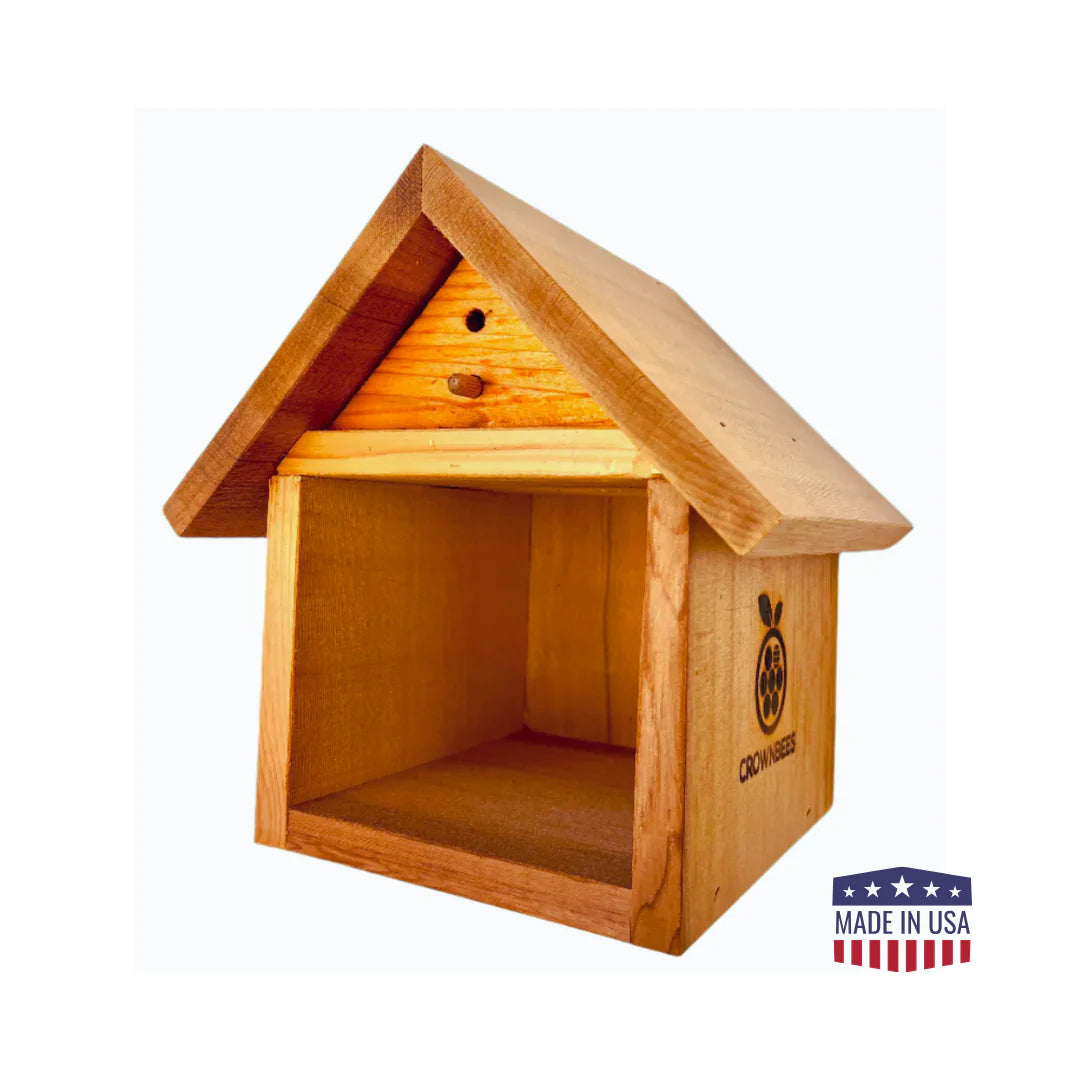
Bee Houses. Not every bee house on the market is safe for bees. Many are decorative first and functional last. This short video explains that pests are attracted to “cute” bee houses: Watch here. Our bee houses are made in the USA from sustainably sourced Pacific Northwest cedar; built for long-term bee health.
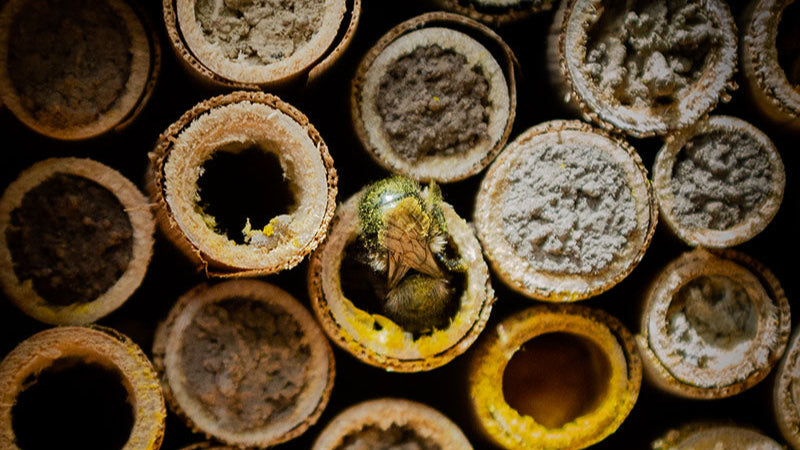
Moisture and “door” materials. After laying an egg on a pollen and nectar ball, each bee seals her chamber. Mason bees use moist, clay-like soil nearby. Summer Leaf bees use pieces of leaves. Other species may use resin or chewed plant fibers.
Water and shelter. Provide a shallow water dish with stones for landing. Mount your bee house under an eave or facing the morning sun to keep it dry and warm.
No chemicals. Avoid lawn and garden sprays the week before and during their nesting season (about 5–6 weeks). If your neighbors do spray, kindly share this brochure.
Your first year. Expect a little learning curve—it’s part of the fun! Experiment with locations, track bloom times, and adjust your nesting materials. Invite friends or neighbors to join you. Learning together helps everyone’s bees thrive.
Where to go next
Ready to keep learning? Choose where you’d like to start:
Helpful resources
BeeMail. Get bi-monthly tips and reminders. Subscribe here.
Bee Knowledgeable library. Explore our free guides and videos on caring for Spring Mason and Summer Leaf bees. Visit the library.
YouTube. Watch how-to videos, live Q&As, and Shorts on our channel: Crown Bees on YouTube.
Help Desk. Find answers fast or email info@crownbees.com.